The Constellation

Dispatches from The Golden House of Story

Micro-Moments, Maximum Impact: Crafting Emotion in Seconds

In the age of digital media, filmmakers are tasked with creating meaningful emotional experiences in increasingly limited timeframes. This article explores the methodology behind maximizing impact in micro-moments, whether in a 60-second visual poem, a social media teaser, or a short-form narrative.

We analyze how framing, gesture, and subtle performance choices communicate complex emotions instantly. From the tilt of a head to a lingering gaze, from a prop placed deliberately in the background to a fleeting sound cue, every detail becomes a storytelling unit. The article also examines editorial strategies: how cutting rhythm, shot sequencing, and juxtaposition of visuals amplify tension and resonance. By combining technical insight with creative philosophy, this post offers a blueprint for filmmakers seeking to create fully realized emotional worlds in compressed formats, proving that the brevity of time is not a limitation—it’s a canvas for precision storytelling.


The Role of Sound in Visual Storytelling

Sound is often the invisible layer that defines a viewer’s emotional experience. In short-form film and music video production, sound design does more than complement visuals—it shapes narrative, conveys tension, and directs attention. This article explores how every auditory element, from diegetic sounds to carefully sculpted ambient noise, works to communicate subtext and psychological states.

We break down examples from recent projects, analyzing how the rhythmic echo of footsteps can signal unease, how a creaking door transforms a familiar space into a psychological trap, and how musical motifs align with character arcs to reinforce narrative momentum. By examining how sound interacts with pacing, camera movement, and set design, we reveal that auditory decisions are not just supplementary—they are narrative decisions. For filmmakers and creative producers, this post demonstrates how listening to the story is as critical as seeing it, and how sound can carry the weight of scenes that might otherwise rely on dialogue or visual spectacle.

Editing as Narrative: Crafting Meaning in Short-Form Visuals

The editorial process is where raw footage transforms into deliberate storytelling. This article examines how pacing, rhythm, and selective omission in the edit room shape narrative truth, emotional resonance, and character perception.

Using real examples from our short films and music videos, we illustrate how a single cut can redefine a character, turn tenderness into tension, or introduce ambiguity that becomes the emotional core. Rhythm and juxtaposition guide the viewer’s subconscious understanding, transforming isolated shots into a coherent, affecting experience. Editing is framed as authorship: a place where narrative meaning is sculpted frame by frame, and emotional impact is carefully engineered. This post is a masterclass in understanding how the edit room becomes the final storyteller.

World-Building in Short-Form Visual Storytelling

In short-form cinema and music video production, narrative economy forces a fundamental shift in how stories are told. With limited runtime, traditional plot structures—setup, escalation, resolution—often become secondary to the creation of a believable emotional world. This article examines how world-building functions as the primary storytelling engine in short-form visual work, where atmosphere, tone, and sensory continuity replace exposition.

Drawing from our recent constellation-driven projects, we break down how environments are designed to imply history without explanation. We analyze how production design, lighting, texture, and color palette collaborate to establish emotional logic within seconds of the first frame. From the weight of negative space in a locked-off wide shot to the psychological impact of sustained ambient sound, we explore how viewers are conditioned to feel the world before they understand it.

The article also dissects the role of sound design and score in reinforcing spatial reality—how low-frequency drones, environmental noise, and rhythmic breathing patterns create an unseen architecture around the image. We examine how movement within the frame, whether choreographed performance or subtle environmental motion, signals internal character states and narrative progression without relying on dialogue or explicit action.

Finally, this piece addresses the discipline required to maintain world coherence across every department. In short-form storytelling, inconsistency is immediately visible. A single mismatched costume choice, lighting shift, or editorial rhythm can fracture the illusion. Through practical production insights, we demonstrate how intentional limitations—restricted locations, controlled palettes, and repeated visual motifs—become strengths rather than constraints.

Silence as a Weapon: The Unspoken Power Dynamics in ‘Mirror’

What happens when the loudest conflict in a film is the one never spoken aloud? This analysis of our award-winning short “Mirror” delves into the arsenal of visual tools used to articulate the silent war between twin sisters. We map the “proxemic geography” of the set—how the measured distance between the characters shrinks and expands like a heartbeat of their relationship, long before any physical contact. We’ll dissect a key three-minute scene with zero dialogue, examining how the composition uses mirrors not just as props, but as psychological portals, and how the aggressive sound design of a ticking clock and breathing patterns becomes a substitute for shouted accusations. This post is for those who believe that true tension is woven in the glances held a beat too long and the spaces between words, proving that in skilled hands, silence can be the most devastating dialogue of all.

Why My MFA at SCAD is My Best Investment (And It’s Not About the Degree)

They don’t tell you that the most valuable thing you’ll gain from a graduate film program isn’t a reel or a diploma, but a permanently altered relationship with your own voice. In this personal essay, I unpack the hidden curriculum of my MFA: the brutal, beautiful practice of sitting in a circle of 20 brilliant, terrified peers and having your most vulnerable scene work dismantled and rebuilt. I’ll talk about how the relentless production schedule teaches you that “perfect” is the enemy of “finished,” and how being forced to crew on a classmate’s project at 3 AM ingrains a collaborative ethos no online course ever could. This is a reflection on investing in the ecosystem of your creativity—the pressure, the community, the deadlines that become gifts—and why building a body of work requires first building a tolerance for the discomfort of growth.

From Script to Stream: Launching Lady Eden in a Cluttered Digital Landscape

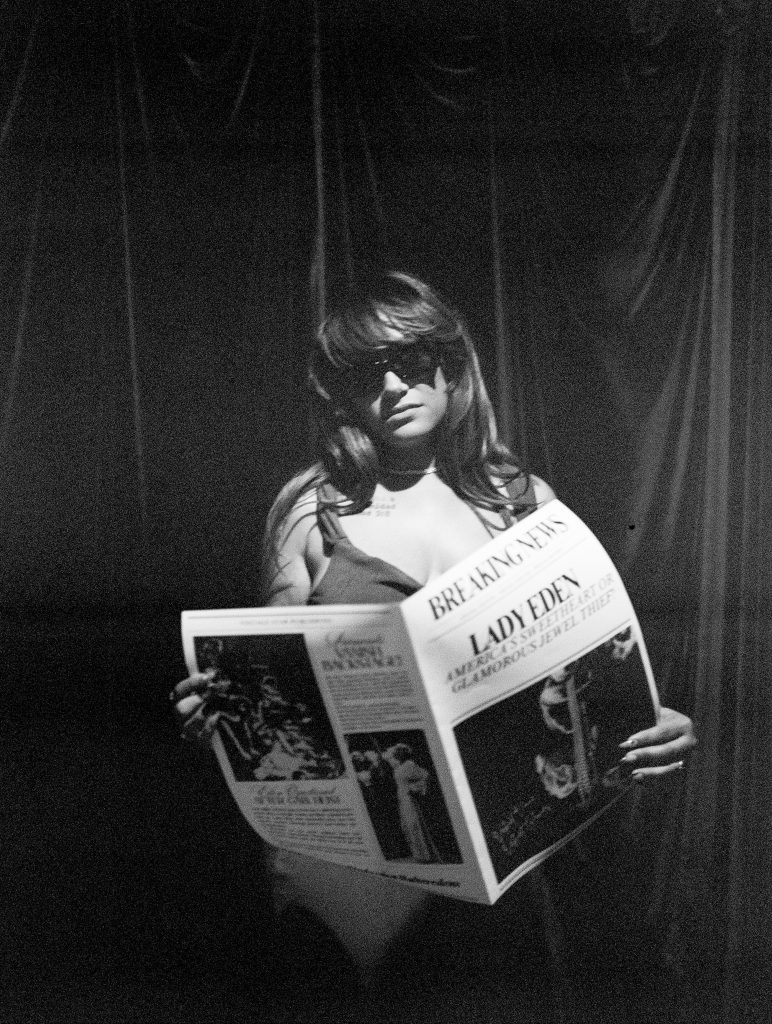
Launching an artist today is less like a grand unveiling and more like strategically constructing a universe, one authentic piece at a time. This exclusive case study, co-authored by our House of Ursa strategists and Ursa Gold Records team, pulls back the curtain on the six-phase campaign that introduced cinematic R&B artist Lady Eden. We detail Phase 2: “The Velvet Tease”—how we collaborated with Red Velvet Pictures to create non-music visual content (stylized photo essays, a 60-second visual poem) that established her noir-romance aesthetic before a single note was streamed. We’ll explain the data-driven logic behind targeting micro-communities of “cinematic playlist” curators on Spotify, and why we opted for a focused YouTube Premiere instead of a blanket social blast. This is a transparent look at modern artist development, where creative vision and analytical strategy are not at odds, but in constant, necessary dialogue.

The Anatomy of a Reveal: How ‘Echoes of Yesterday’ Builds Emotional Payoff in 90 Seconds

In an era of instant gratification, how do you make an audience feel in under two minutes? This technical autopsy of our recent music video “Echoes of Yesterday” dissects the surgical precision required for short-form storytelling. We break down the director’s playbook: the deliberate withholding of the protagonist’s face until the 0:47 mark, using only hands and environment to build character; the symbolic transformation of a simple prop (a cracked pocket watch) that carries the entire narrative weight; and how the choreography isn’t just movement, but a visual translation of the song’s bridge—where every spin coincides with a vocal run, and every collapse mirrors a lyrical confession. This post is for creators who understand that in music video format, every frame is a sentence, and every cut is a punctuation mark with emotional consequence.

Don't miss new Constellation

Subscribe to The Chronicle. Get curated analysis, exclusive behind-the-scenes stories, and updates from across Starring Entertainment DFW delivered directly to your inbox. No noise. Only narrative.

Stay Updated with Our Latest News

Starring Entertainment DFW.

Join Our Newsletter

Scroll to Top