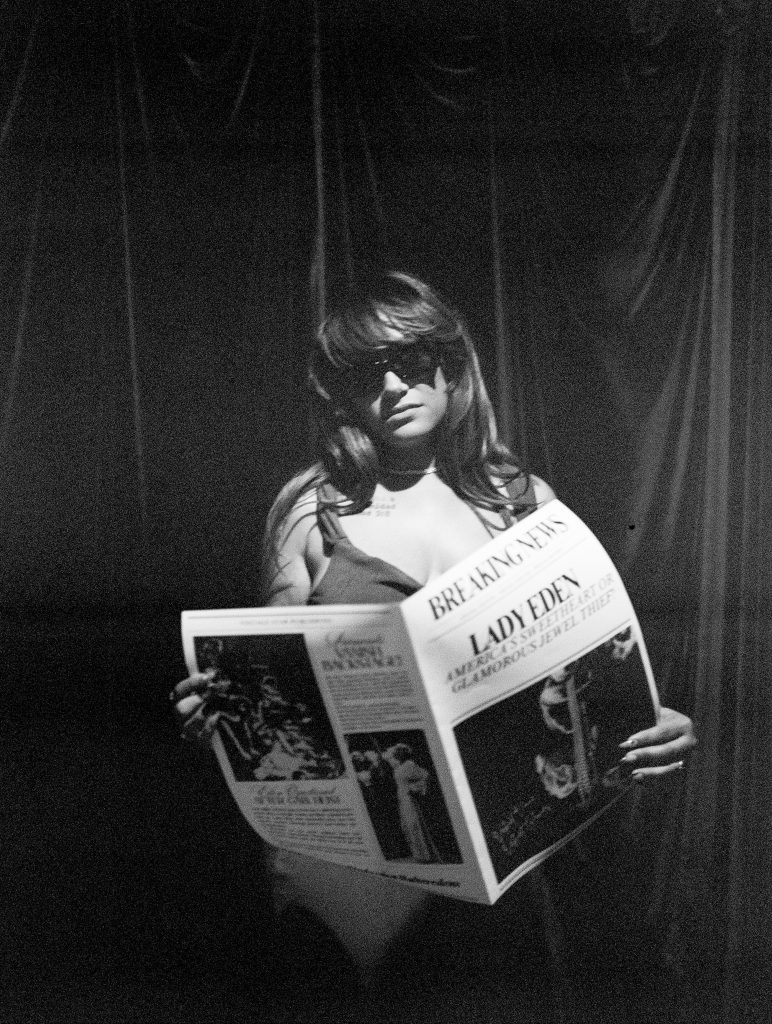
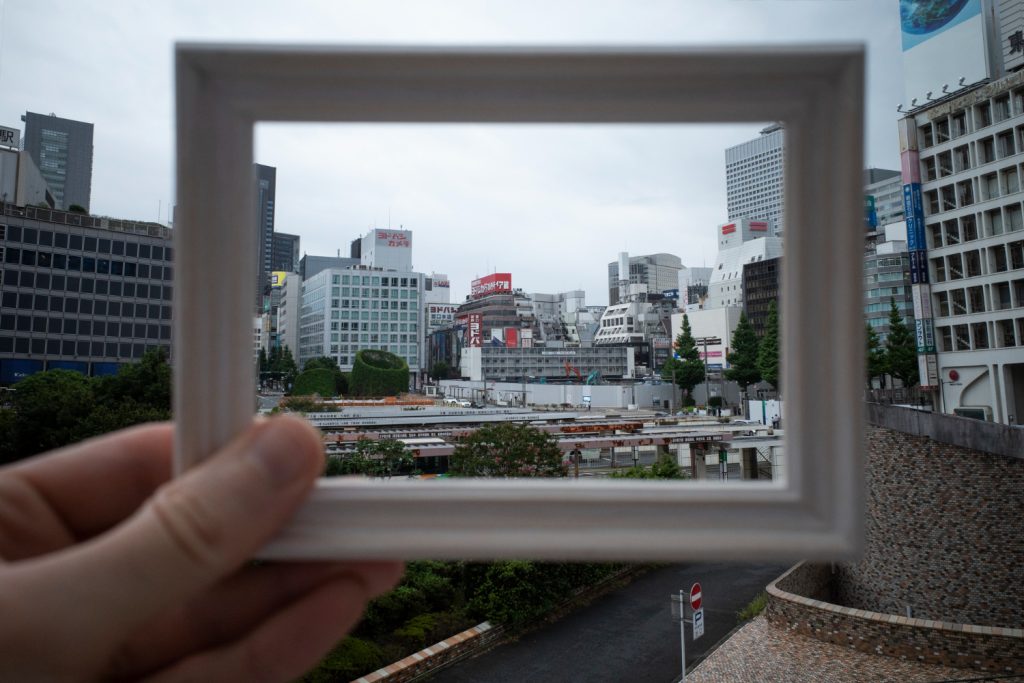
In short-form cinema and music video production, narrative economy forces a fundamental shift in how stories are told. With limited runtime, traditional plot structures—setup, escalation, resolution—often become secondary to the creation of a believable emotional world. This article examines how world-building functions as the primary storytelling engine in short-form visual work, where atmosphere, tone, and sensory continuity replace exposition.
Drawing from our recent constellation-driven projects, we break down how environments are designed to imply history without explanation. We analyze how production design, lighting, texture, and color palette collaborate to establish emotional logic within seconds of the first frame. From the weight of negative space in a locked-off wide shot to the psychological impact of sustained ambient sound, we explore how viewers are conditioned to feel the world before they understand it.
The article also dissects the role of sound design and score in reinforcing spatial reality—how low-frequency drones, environmental noise, and rhythmic breathing patterns create an unseen architecture around the image. We examine how movement within the frame, whether choreographed performance or subtle environmental motion, signals internal character states and narrative progression without relying on dialogue or explicit action.
Finally, this piece addresses the discipline required to maintain world coherence across every department. In short-form storytelling, inconsistency is immediately visible. A single mismatched costume choice, lighting shift, or editorial rhythm can fracture the illusion. Through practical production insights, we demonstrate how intentional limitations—restricted locations, controlled palettes, and repeated visual motifs—become strengths rather than constraints.