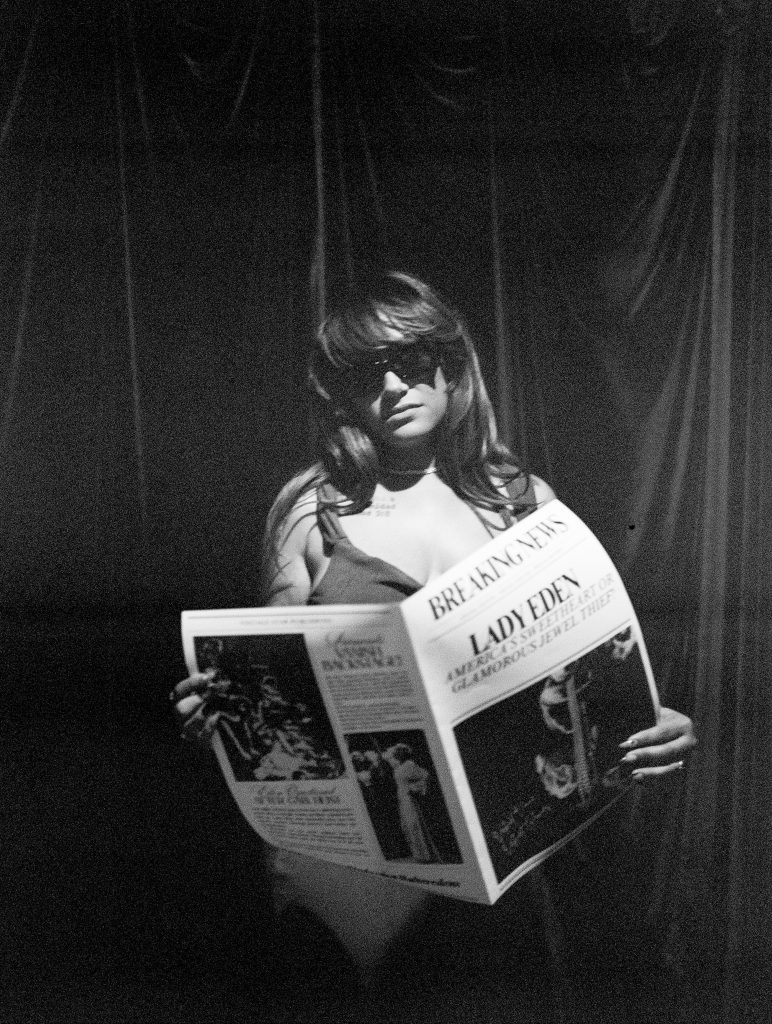

Sound is often the invisible layer that defines a viewer’s emotional experience. In short-form film and music video production, sound design does more than complement visuals—it shapes narrative, conveys tension, and directs attention. This article explores how every auditory element, from diegetic sounds to carefully sculpted ambient noise, works to communicate subtext and psychological states.
We break down examples from recent projects, analyzing how the rhythmic echo of footsteps can signal unease, how a creaking door transforms a familiar space into a psychological trap, and how musical motifs align with character arcs to reinforce narrative momentum. By examining how sound interacts with pacing, camera movement, and set design, we reveal that auditory decisions are not just supplementary—they are narrative decisions. For filmmakers and creative producers, this post demonstrates how listening to the story is as critical as seeing it, and how sound can carry the weight of scenes that might otherwise rely on dialogue or visual spectacle.